Hilton Fontain: The Modern Handwriting Font for Elegant Design
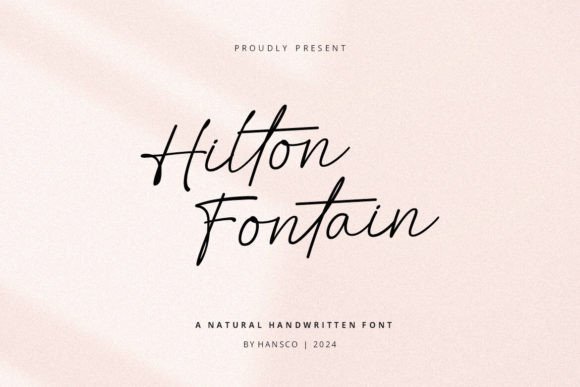
There’s a particular quality in a handwritten font that feels both personal and polished. It’s the difference between a rushed note and a thoughtfully crafted message. Hilton Fontain occupies that sweet spot. This is a premium font designed to bring a natural, elegant touch to projects without sacrificing modern appeal. Its strokes carry a confident flow, with subtle variations that mimic real ink on paper, avoiding the overly uniform or rigid look of many digital script fonts. The result is a typeface that feels authentic, approachable, and inherently stylish.
What sets this creative font apart is its versatility. It’s not a single-note display font meant only for a logo design. The character set is carefully considered, offering enough weight and clarity for smaller applications while retaining its distinctive charm at larger scales. This makes Hilton Fontain a practical design asset for a wide range of creators. You’ll find it works seamlessly whether you’re crafting social media graphics for Instagram, developing a cohesive brand identity, or adding a personal signature to packaging design. It bridges the gap between a casual script font and a structured serif or sans serif font, offering a unique middle ground that feels both human and professional.
Where This Handwritten Font Truly Shines
Think of Hilton Fontain as a tool for adding personality without overwhelming the message. Its natural elegance makes it particularly effective in projects where connection and warmth are key. For bloggers and content creators, it’s a standout choice for blog titles and pull quotes, instantly making text more engaging and scannable. Entrepreneurs and small business owners can use it to create a memorable brand identity on business cards, product tags, and stationery, fostering a sense of artisan quality. In editorial design, it can highlight featured sections or add a personal touch to magazine layouts.
The applications extend far into the commercial realm. This modern typography choice excels in packaging design for boutique goods, cosmetics, or specialty foods, where a handwritten feel communicates care and attention. It’s equally at home on invitations, greeting cards, and wedding stationery, where its elegant flow sets the right tone. For digital use, consider it for website headers, email newsletter banners, or promotional graphics that need to stand out in a crowded feed. The key is to use it strategically—where its personality can enhance the user experience and support the project’s goals.
Practical Guidance for Using Hilton Fontain
Choosing a font is about more than just liking how it looks. It’s about evaluating fit. Before integrating Hilton Fontain into a project, test it in context. Place sample text next to your primary body font—a clean sans serif font or a neutral serif font often creates a pleasing contrast. Check the visual hierarchy: does the handwritten font guide the eye appropriately without causing confusion? Its slightly condensed letterforms and consistent baseline make it more readable than many flowing scripts, but it’s still best used for headlines, short phrases, or accents rather than long paragraphs of body copy.
Always review the full character set and any included styles. A complete premium font like this often includes alternates, ligatures, and swashes that can add subtle variation and prevent repetitive letter patterns, making the text feel even more organic. When planning your design, consider the font’s weight and spacing. In web design, ensure it renders clearly at different screen sizes. For print projects, do a test print to see how the ink sits on the paper. Finally, confirm the licensing aligns with your intended use, whether for personal DIY projects or commercial client work. A well-chosen font like Hilton Fontain becomes a core part of your design toolkit, helping you create consistent, professional, and engaging visuals that truly resonate with your audience.